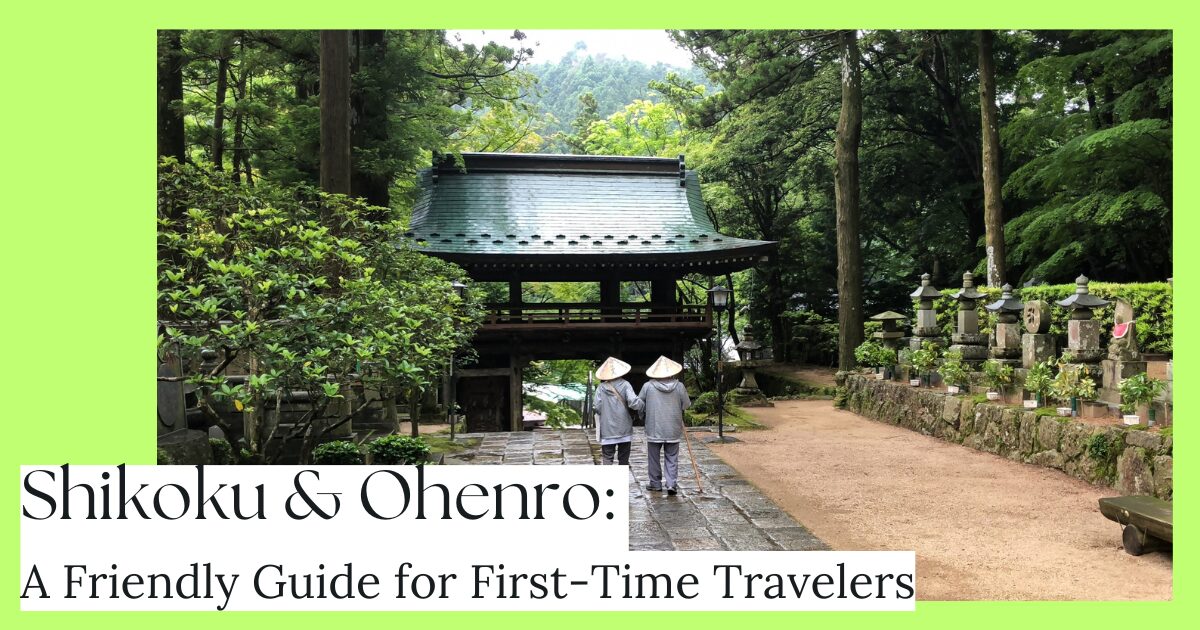
Why Kagawa Might Be the Place You Didn’t Know You Were Looking For
- Are you thinking about traveling to Japan, but wondering if there’s more beyond Tokyo, Kyoto, and Osaka?
- What Is Shikoku? A Quick Overview for International Travelers
- The Four Prefectures of Shikoku and Their Unique Charm
- What Is the Ohenro Pilgrimage?
- Why Kagawa Is Perfect for First-Time Visitors to Shikoku
- Who Should Visit Kagawa? (And Who Might Not)
- Living in Kagawa: A Personal Note from Nouen Hotaru
- Final Thoughts: Is Shikoku Right for Your Next Trip?
Are you thinking about traveling to Japan, but wondering if there’s more beyond Tokyo, Kyoto, and Osaka?
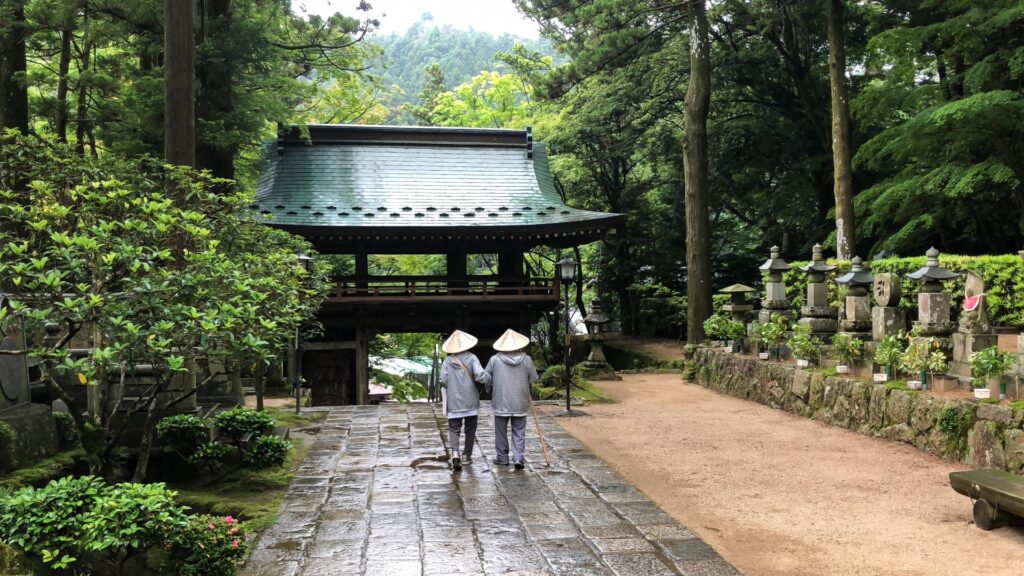
If you’re looking for a quieter, deeper, and more personal experience of Japan, Shikoku might be exactly what you’re searching for.
We run a small farm called Farm Hotaru in Kagawa Prefecture, on the island of Shikoku. Every day, we live among rice fields, old temples, mountains, and local neighbors who greet each other by name.
So in this article, we’d like to share a simple, honest guide to Shikoku—especially for first-time travelers—and explain why
Kagawa is often the easiest and most rewarding place to start.
What Is Shikoku? A Quick Overview for International Travelers
Shikoku is the smallest of Japan’s four main islands, located south of Honshu. Compared to Tokyo or Kyoto, it is much quieter and far less crowded. Life moves at a slower pace here, and that’s exactly what many travelers fall in love with.
Shikoku is known for three main things:
From our daily life in Kagawa, we can say this clearly: Shikoku is not about “checking famous spots off a list.” It’s about walking, noticing small details, and feeling connected—to nature and to people.
The Four Prefectures of Shikoku and Their Unique Charm
Although Shikoku is one island, each prefecture has a very different character.
Ehime Prefecture
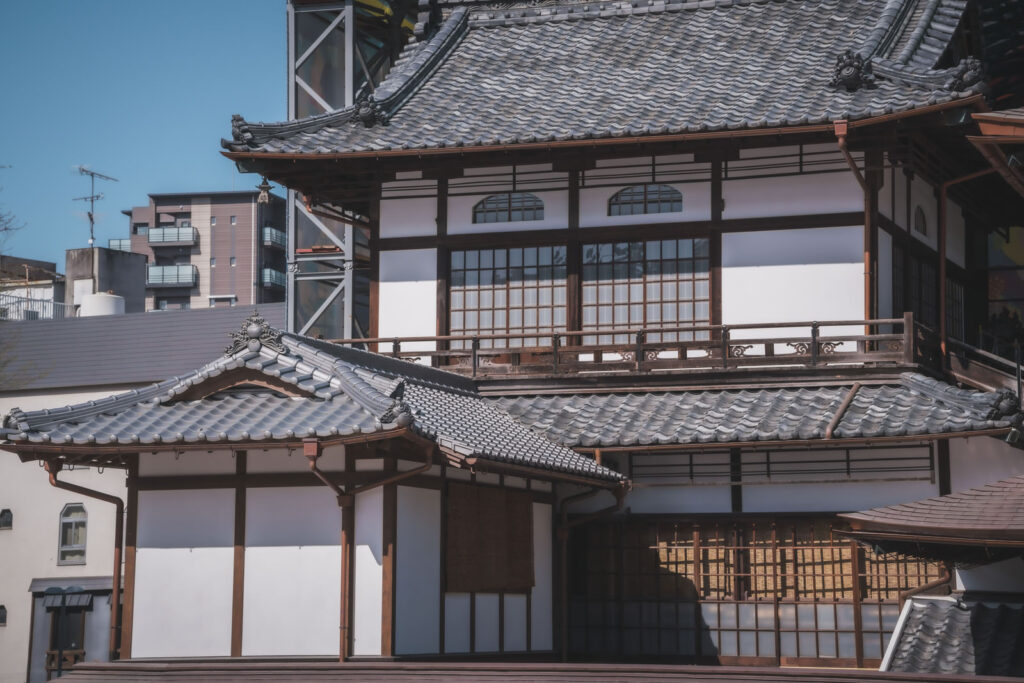
Ehime is known for historic castles, hot springs like Dogo Onsen, and a calm seaside atmosphere. It’s a good place for travelers who enjoy history and traditional towns.
Kochi Prefecture

Kochi is wild and energetic. With clear rivers, mountains, and a strong outdoor culture, it attracts surfers, hikers, and adventure lovers.
Tokushima Prefecture
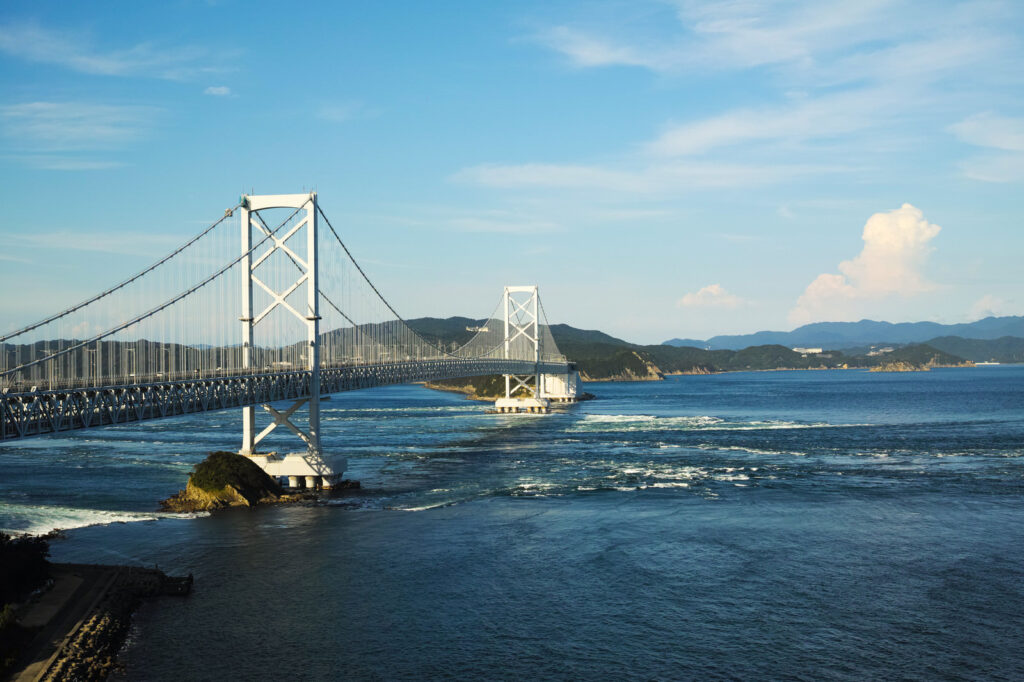
Tokushima is famous for the Awa Odori dance festival and its mountainous interior. It feels deeply traditional and is closely connected to rural life.
Kagawa Prefecture
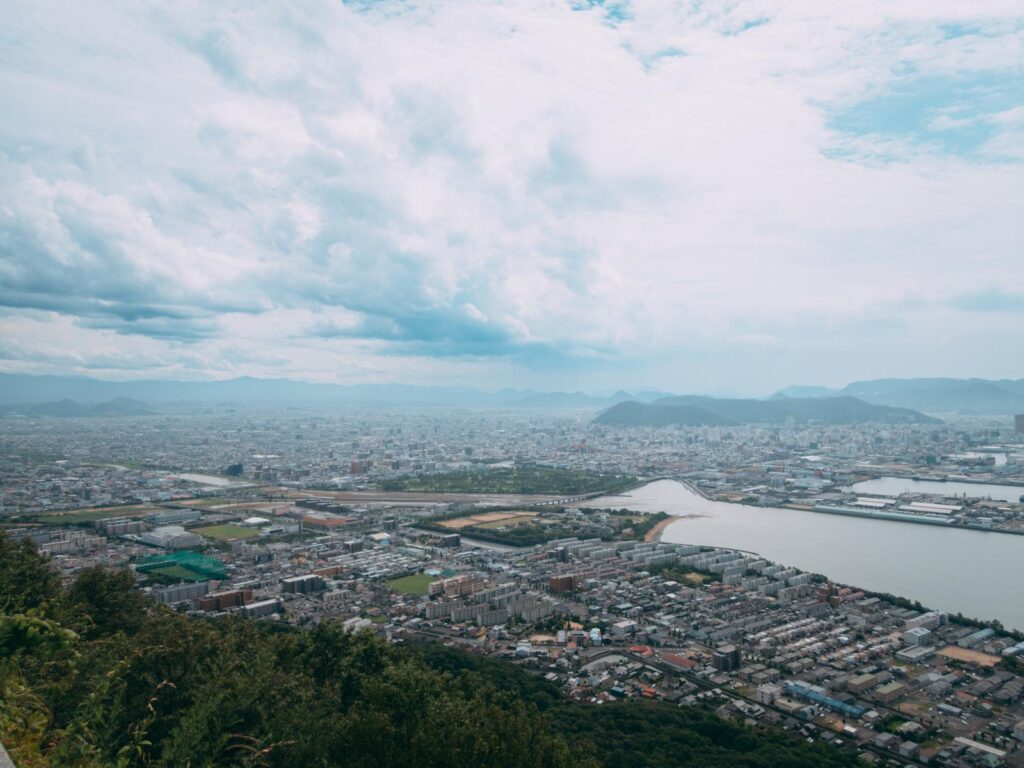
Kagawa is the smallest prefecture in Japan—but don’t let its size fool you. It is incredibly accessible, culturally rich, and easy to explore, even if it’s your first time in rural Japan.
From our perspective as people living here, Kagawa feels like a “gateway” to Shikoku—welcoming, compact, and friendly to newcomers.
What Is the Ohenro Pilgrimage?
The Ohenro is a pilgrimage that connects 88 Buddhist temples across Shikoku, traditionally walked in a circular route of about 1,200 kilometers.
While it began as a religious journey, today people walk the Ohenro for many reasons:
- Spiritual reflection
- Personal challenge
- Cultural curiosity
- A slower way to travel
You don’t need to be Buddhist—or even religious—to appreciate it. In fact, many people we meet walk only a small part of the route. Even seeing pilgrims pass by our farm roads in Kagawa is a daily reminder that Shikoku welcomes people who travel with intention.
Why Kagawa Is Perfect for First-Time Visitors to Shikoku
Easy Transportation and Compact Size
Kagawa is well connected by train and highway buses, and Takamatsu City serves as a transportation hub for the island. Because the prefecture is small, you can experience cities, countryside, temples, and the sea without long travel times.
From daily life here, we feel that this compactness makes Kagawa less stressful for visitors. You don’t need a complicated plan—sometimes just a bicycle and a map are enough.
Food Culture That Brings People Together
Kagawa is famous for Sanuki Udon, but food here is more than just noodles. Small, family-run restaurants, local markets, and seasonal ingredients are part of everyday life.
As farmers, we see how closely food is tied to community. Neighbors exchange vegetables. Conversations start naturally at roadside stands. For travelers, this makes Kagawa feel warm and approachable.
A Slower, More Human Pace of Life
One of the biggest surprises for visitors is how human-scale life feels here. Children walk to school through rice fields. Elderly neighbors tend small gardens. People stop to talk.
From our own experience, this rhythm changes how you experience travel. You’re not rushing. You’re participating—even if just a little—in local life.
Who Should Visit Kagawa? (And Who Might Not)
Kagawa Is Ideal If You:
- Want to experience rural Japan without feeling isolated
- Enjoy walking, cycling, and small discoveries
- Are interested in culture, food, and everyday life
- Prefer meaningful travel over busy sightseeing
Kagawa Might Not Be Ideal If You:
- Are looking for luxury shopping or nightlife
- Want famous landmarks every hour
- Prefer fast-paced city travel
We believe that the right destination matters. Kagawa doesn’t try to impress—it invites you to stay.
Living in Kagawa: A Personal Note from Nouen Hotaru
We didn’t choose Kagawa for tourism reasons. We chose it for life.
Living here has taught us that Japan’s countryside is not “empty” or “boring.” It is full of quiet richness—seasonal changes, shared work, and small joys that don’t show up on guidebook rankings.
When travelers visit Shikoku, especially Kagawa, we hope they don’t just “see” it. We hope they feel it: the silence of early mornings, the kindness of strangers, the satisfaction of simple meals.
Final Thoughts: Is Shikoku Right for Your Next Trip?
If you’re curious about a deeper side of Japan—one shaped by walking, listening, and slowing down—Shikoku might surprise you.
And if you’re visiting Shikoku for the first time, Kagawa is a gentle and welcoming place to begin.
From all of us at Farm Hotaru, we hope your journey leads you not just to new places, but to new ways of traveling.

コメント