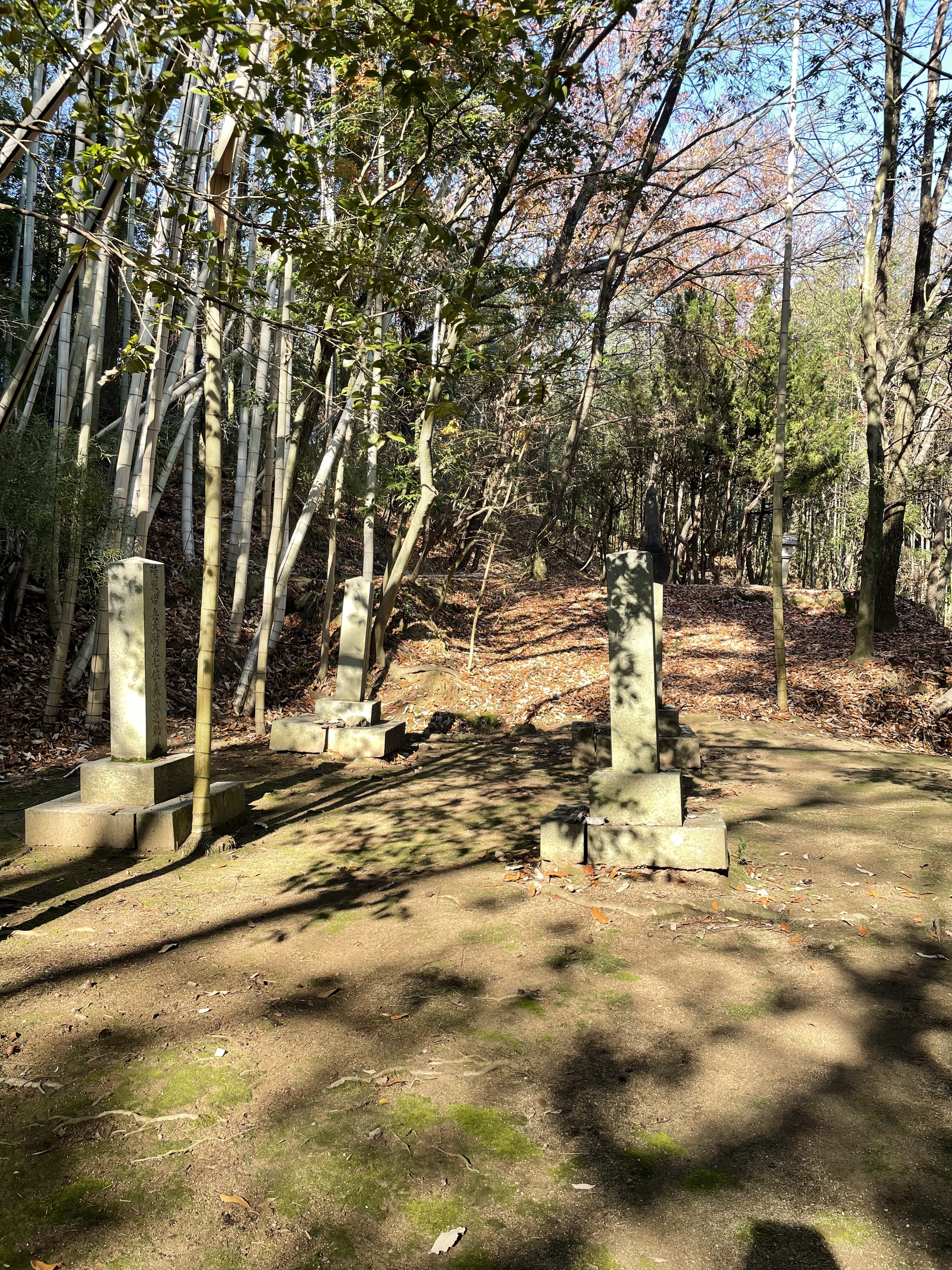
Zentsuji City in Kagawa Prefecture is widely celebrated as the birthplace of Kobo Daishi, the founder of Shingon Buddhism. For many, a visit here is defined by the sacred atmosphere of the Shikoku 88-temple pilgrimage.
However, tucked away on the quiet slopes of Mt. Tsurugamine, overlooking the southeastern edge of the city, lies a different kind of sacred ground. It is the Zentsuji Army Cemetery, a place where history, memory, and an extraordinary act of local kindness intersect.
A Resting Place on the Slopes of Tsurugamine
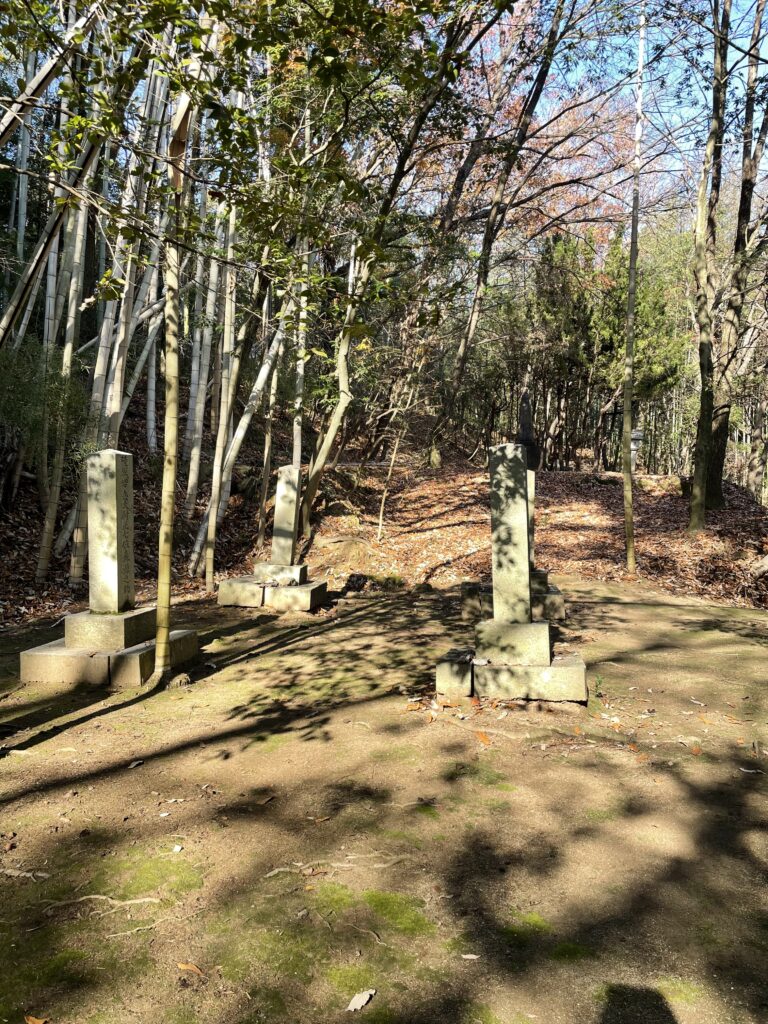
The Zentsuji Army Cemetery was established around 1900 on the eastern slope of Mt. Tsurugamine. Built into the hillside, the cemetery is structured in stepped terraces connected by long stone stairways.
While the site primarily honors Japanese soldiers from various conflicts, including the Russo-Japanese War and World War II, it also contains a small, poignant area dedicated to foreign prisoners of war (POWs).
From Two World Wars
Zentsuji’s history with POWs spans both World Wars. During World War I, the city housed German and Austro-Hungarian soldiers. These men were known for introducing Western culture—such as music, baking, and sports—to the local community. Later, during World War II, a camp for Allied prisoners was established nearby.
In the lower sections of the cemetery, you will find a memorial marker for those who died while in captivity. For these men, Zentsuji was their final home, thousands of miles away from their families in Europe, America, or Australia.
The Quiet Kindness of Local Volunteers
What makes this hillside cemetery truly remarkable is not just the stone markers, but the “silent care” they receive.
For generations, local residents have climbed the steep slopes of Tsurugamine to maintain the graves of these foreign soldiers. This is not a formal government project, but a voluntary act of compassion. Fallen leaves are swept away, weeds are pulled, and the space is kept with the same dignity as the Japanese graves surrounding them.
When asked why he continues this laborious task on the mountainside, the answer is rooted in the Buddhist spirit of the town:
“Even today, visitors from abroad still come here to pray. Some locals even keep in touch with the descendants of the prisoners through letters. If those families traveled all this way only to find the graves neglected and covered in fallen leaves, they would be so disappointed. I want to make sure they feel welcomed.“
A View of Peace
Visiting the cemetery requires a short hike up the stone steps, but the reward is a profound sense of peace and a panoramic view of the city. As you look down from the eastern slope of Tsurugamine, the contrast is striking: below lies a modern town moving forward, while here, time stands still to honor those caught in the tides of global history.
This site reminds us that while wars are fought between nations, humanity is preserved through the quiet actions of individuals.
Further Reading & Resources
Learn more about the cemetery layout via the Zentsuji Digital Museum.
Explore the history of POW Camps in Japan for more historical context.

コメント