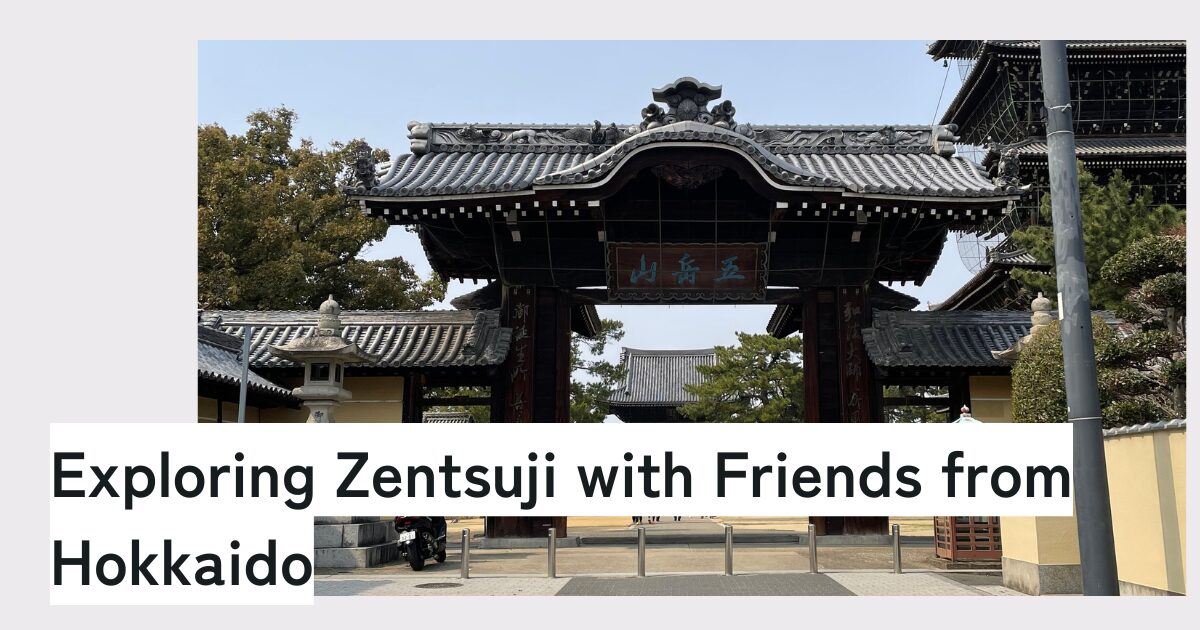
A Quiet Temple Town in Kagawa, Japan
In April 2026, friends from our time in Hokkaido came all the way to visit us in Kagawa.
The couple is made up of an American husband and a wife from Hokkaido. We first met them through my husband’s mother, and while we were living in Hokkaido, they often welcomed us into their home, shared firewood with us, and supported us in many ways.
My husband and the husband are also passionate chainsaw enthusiasts — true “chainsaw buddies.”
So when they told us they were coming to Shikoku, we were excited to show them the town where we now live: Zentsuji.
This became more than just a sightseeing day.
It was also a reminder of how much history and culture exists in our everyday surroundings.
Starting the Day with Sanuki Udon
The weather forecast predicted rain, and we worried the day might be gloomy.
But around 11 a.m., when we met in Zentsuji, the rain slowly stopped and sunlight began to break through the clouds.
Very fitting for Kagawa.
Our friends had already started their morning the “Kagawa way” — by eating Sanuki udon for breakfast. They arrived completely full and laughing about how much they had already eaten.
We parked near Zentsuji Temple and began exploring on foot.
Zentsuji is one of the 88 temples of the famous Shikoku Pilgrimage and is known as the birthplace of Kobo Daishi (Kukai), one of Japan’s most important Buddhist monks.
Compared to larger tourist destinations in Japan, Zentsuji has a much quieter atmosphere.
It feels peaceful and deeply connected to local life.
Visiting Zentsuji Temple
A Calm and Peaceful Atmosphere
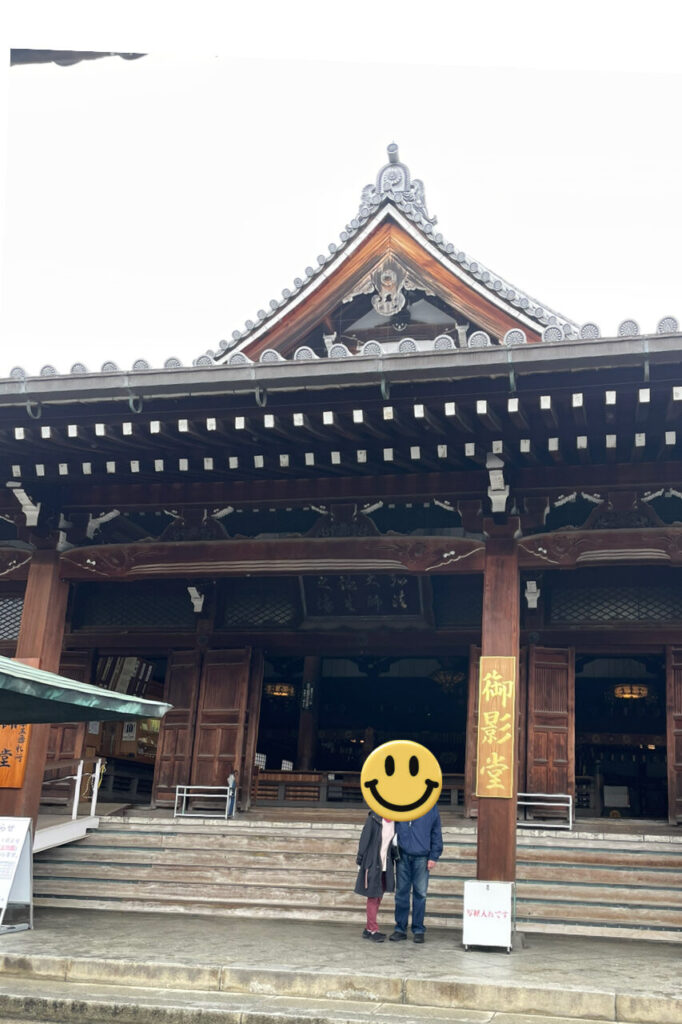
We started our visit at the Mieido Hall.
Because it was a weekday, the temple grounds were calm and uncrowded. The silence made the space feel even more special.
After taking a few photos together, we entered one of the temple’s most unique experiences: the “Tainai Meguri,” or womb pilgrimage.
Walking Through Complete Darkness
Inside the womb pilgrimage, photography is not allowed.
The path is completely dark, and visitors slowly move forward by touching the walls with their hands. The experience symbolizes traveling through the womb of Kobo Daishi and being spiritually reborn.
Without sight, your other senses suddenly become stronger.
The darkness felt mysterious but peaceful.
Partway through, a small light appeared along with a display about Kobo Daishi’s teachings. After exiting, we visited the treasure hall nearby.
Discovering Different Buddhist Statues
Inside the museum, we spent a surprisingly long time discussing which Buddhist statues we liked the most.
Some had soft and gentle faces. Others looked powerful and intense.
Even though they were all Buddhist figures, each statue had its own personality and expression.
It became one of those small travel moments you never plan for — quietly talking about art and emotion while standing inside an old temple hall.
A Stop at Kumooka Confectionery
An Old-Fashioned Japanese Sweet Shop
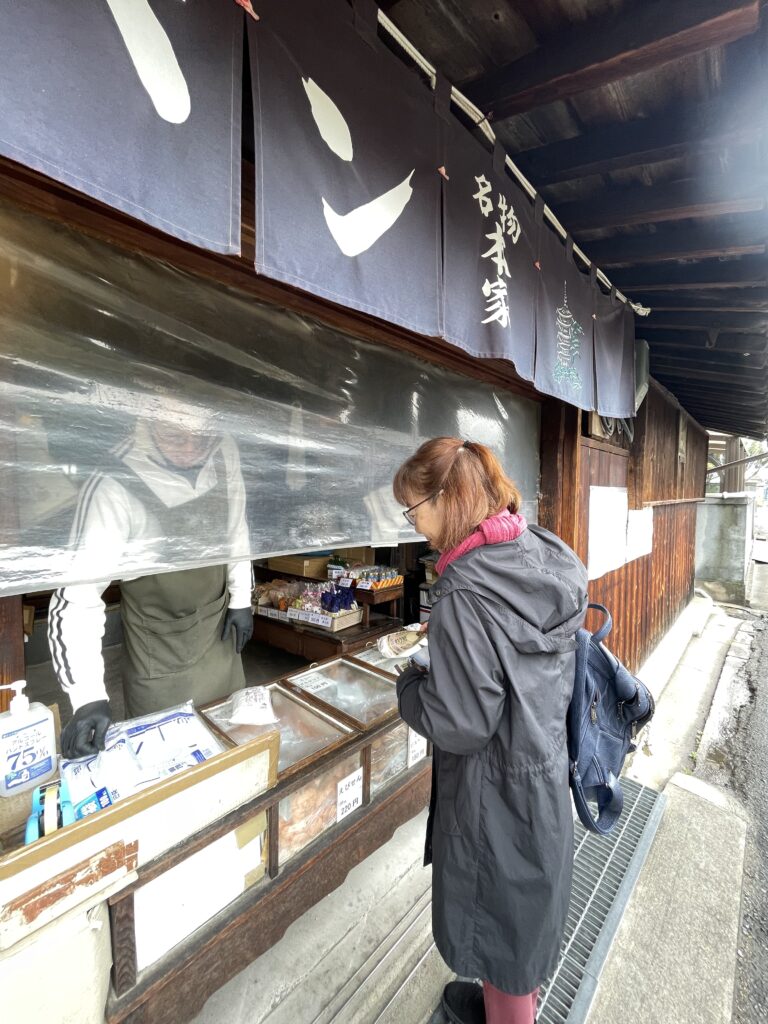
On the way to the five-story pagoda, we stopped at Kumooka Confectionery, a long-established local sweets shop.
The shop has no menu board.
Customers simply look into the glass display case and tell the staff what they would like to buy.
It feels very traditional and old-fashioned, something increasingly rare in modern Japan.
For foreign visitors, ordering might feel a little intimidating. But while we were there, an international couple behind us pointed at a pound cake in the display case and successfully ordered it with smiles and gestures.
Every time we pass this shop, the smell of butter drifts out onto the street.
One day, I want to finally try their famous cake myself.
Beautiful Flower Arrangements at Yakushido Hall
Spring Colors Inside the Temple Grounds
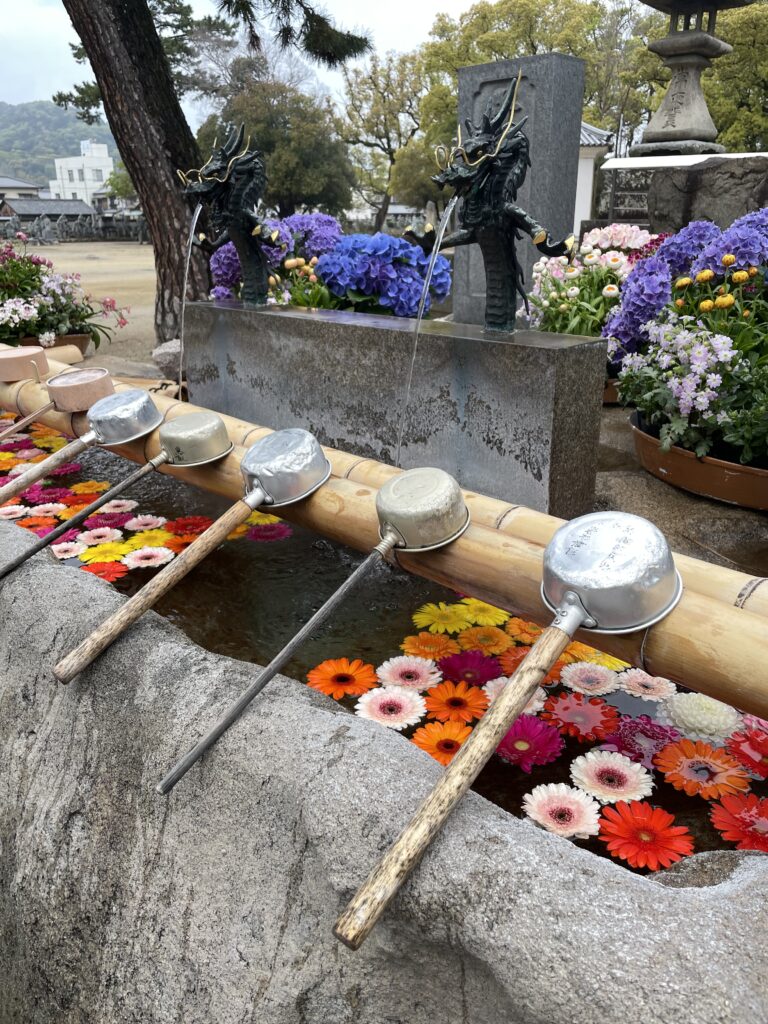
Near Yakushido Hall, the temple had prepared a beautiful “hanachozu” — flowers floating in a water basin traditionally used for purification.
The colorful flowers floating on the water were stunning, especially after the rain.
The combination of quiet temple architecture and delicate spring flowers created a peaceful atmosphere unique to Japan.
Inside Yakushido Hall stood a large Buddhist statue with incredible detail and craftsmanship.
There were also English explanations describing:
- the history of Zentsuji Temple
- its relationship to Kobo Daishi
- the origins of the temple itself
Our friends spent time carefully reading the English information, which made the temple experience more accessible for international visitors.
We finished this part of the tour with photos in front of the beautiful five-story pagoda.
Lunch at a Retro Japanese Cafe
A Nostalgic Kissaten Experience
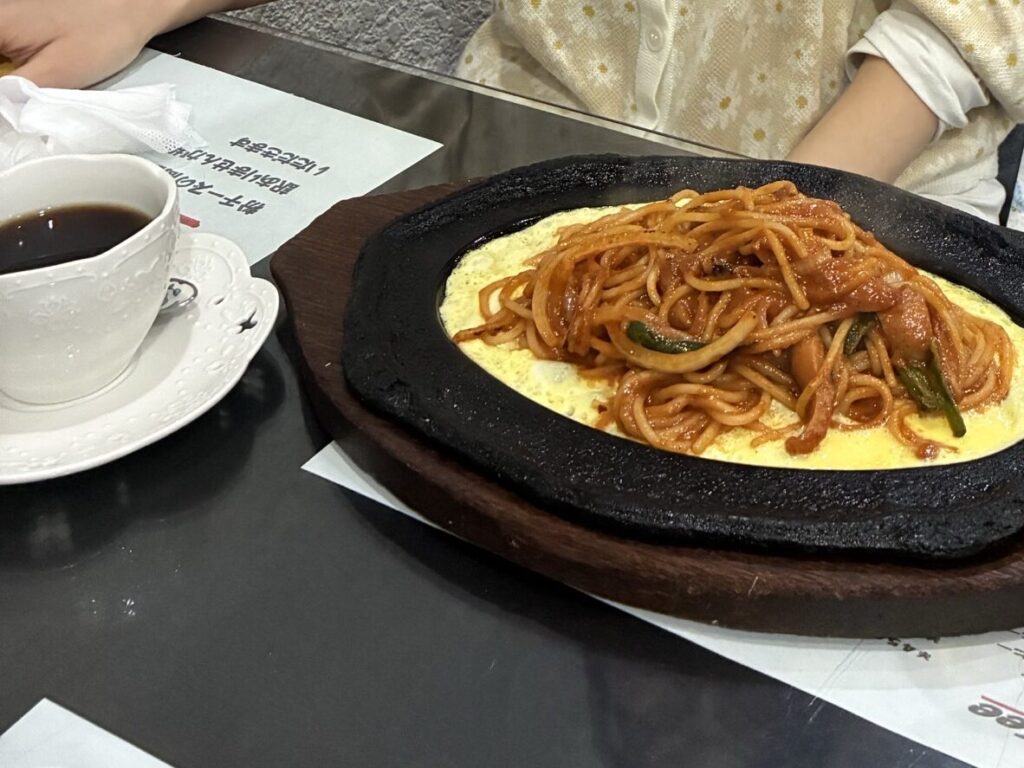
For lunch, we visited a retro Japanese cafe called “Bouquet,” located near the pagoda.
The cafe is run by a friendly couple and has the warm atmosphere of an old local coffee shop, known in Japan as a kissaten.
It seemed like many customers were regulars from the neighborhood.
We ordered spaghetti lunch sets, which tasted simple, comforting, and nostalgic.
Places like this are part of what makes smaller Japanese towns special.
Not everything is trendy or modern — some places simply continue serving the local community year after year.
Showing Them Our Old House Renovation
Encouragement from Friends Who Built Their Own Home
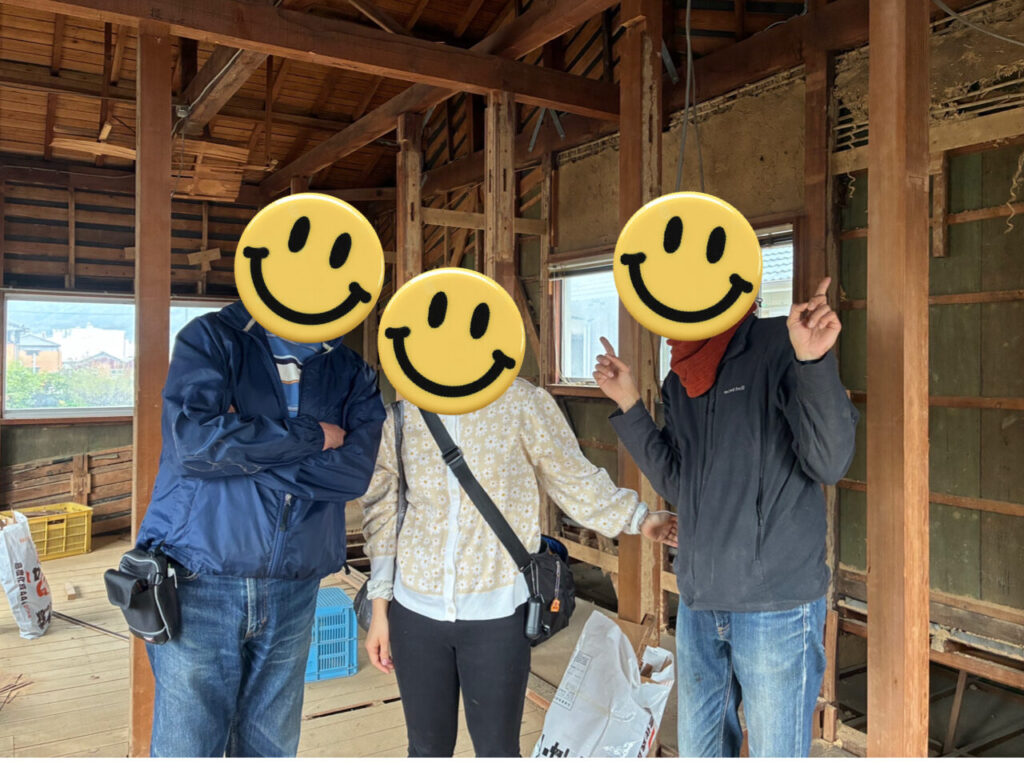
After lunch, we invited them to see our old Japanese house, which we are currently renovating.
Our friends have experience building their own home in Hokkaido using imported materials from the United States, with help from family and friends.
Their house is bright, warm, and beautiful, especially the terrace area.
Having people like them visit our unfinished home felt encouraging rather than embarrassing.
As we showed them the renovation progress, they smiled and said:
“You just keep going. Eventually, it gets finished.”
Those simple words stayed with us.
“Being Poor Is an Education”
The husband also shared stories about his own life.
Before his current career, he left work to attend graduate school in the United States. During that time, he struggled financially and experienced what it meant to live with very little money.
But he told us those difficult years shaped who he is today.
Then, smiling broadly, he said something I will probably never forget:
“Being poor is an education.”
It was not a sad statement.
He said it with warmth, humor, and gratitude.
As we continue building a new life in the countryside, those words felt deeply meaningful.
A Quiet Visit to the Military Cemetery
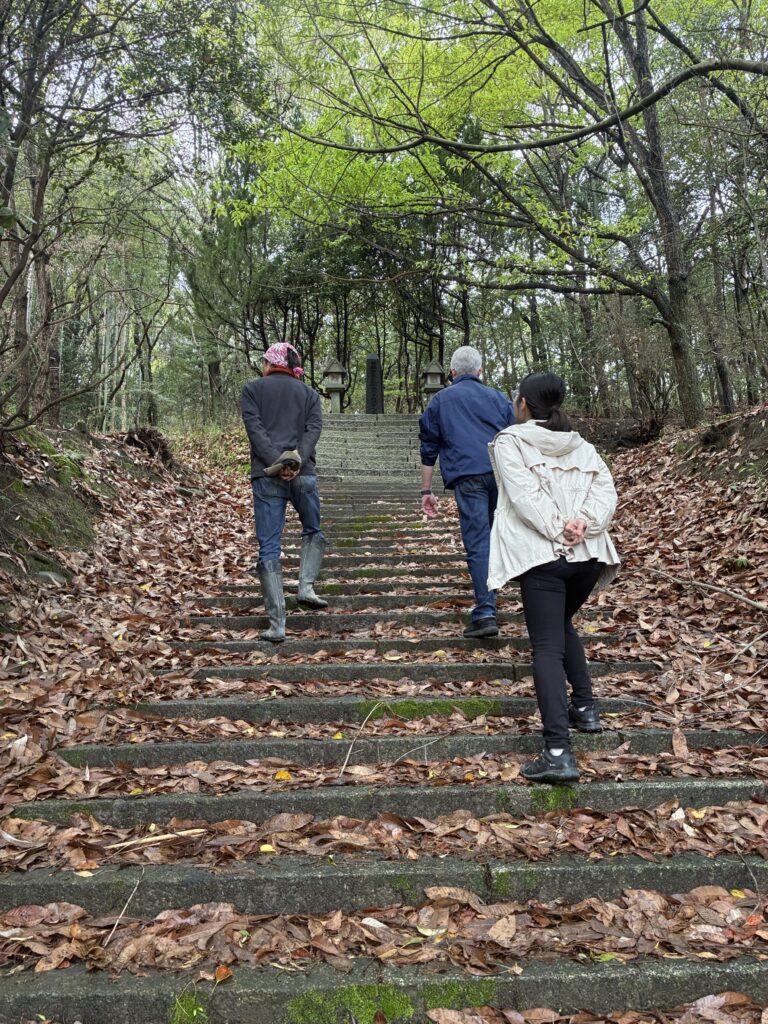
At the end of the day, we visited a cemetery connected to former prisoners of war.
We quietly placed our hands together in prayer.
Standing there together — people from different countries and backgrounds — felt strangely peaceful.
Learning More About the Town We Live In
Showing friends around our town made me realize something important:
I still have so much to learn about the place where we now live.
There were many moments when our friends asked questions about local history or culture, and I could not answer them well.
Living somewhere and truly knowing it are different things.
Zentsuji is filled with stories, traditions, and history that are easy to overlook in daily life.
This visit reminded me that moving to the countryside is only the beginning.
Learning about the land and its culture is a lifelong process.
And perhaps that is one of the most beautiful parts of living here.
コメント